
Is Physioyherapy A Placebo?
Jul 21, 2017
No one likes to think what they do is worthless. No one likes to think that their role is meaningless. But this could be what many musculoskeletal physiotherapists are facing if our interventions are found to be nothing more than placebo.
The placebo effect is defined as a beneficial effect that can NOT be attributed to the treatment but rather to a patient's expectations or other unknown effects. This should not be confused with natural history or contextual effects.
Contextual effects are described as the influence of environmental and/or psychological factors on patients perception of treatments. This can be things like rapport, empathy etc. Natural history is the usual course of a disease or condition in the absence of treatment.
There is no doubt that the placebo effect is present in all healthcare interventions, but just how much is something we don't know despite many often quoting Beechers infamous 1955 study that suggested it was 30%. The placebo effect is getting more and more attention recently with many asking how much it affects our physiotherapy treatments?
Weak Argument
To answer this we need placebo-controlled research and studies. Unfortunately, these are rare in physiotherapy with the argument often being that it's hard to find convincing placebos for physiotherapy treatments. Another argument is that we can't study the effects of our physio interventions within the sterile confines of placebo-controlled trials because we are dealing with complex issues such as humans and pain.
However, these arguments stand on very weak ground. Surgery and medicine also deal with complex issues and people in pain, yet they do placebo-controlled trials far more than physiotherapy. Physios are often quick to highlight how surgery or medication is no more effective than placebo, yet are less keen to turn this critical lens onto their own interventions.
When placebo-controlled studies are occasionally done within physiotherapy we see that a lot of what we do doesn't appear to create any significant benefits over or above shams or placebos. A recent study that highlighted this was a trial here looking at McKenzie based exercises for low back pain versus a detuned sham ultrasound machine.
Unplugged Machines
This trial demonstrated that McKenzie exercises had only a slight, and I mean very slight, benefit on pain after 5 weeks of treatment, but no difference in pain or disability at 3, 6, or 12 months when compared to sham electrotherapy. Yep, that's right, using a machine that wasn't even plugged in works just as well as one of our most popular movement-based interventions for low back pain.
Although this is a small trial these results should make all physios feel uncomfortable, I know it does for me. Surely we would expect a popular and often used intervention that encourages movement and self-management to have shown more effect than a bloody decommissioned ultrasound machine!
There are other papers that also highlight how many other physiotherapy interventions, mainly the passive ones for back, hip, knee, shoulder pain also do nothing more than doing nothing or sham interventions. So as the famous French philosopher Voltaire once said, is physiotherapy "amusing the patient whilst nature cures the disease"?

Doubts And Frustrations
I have had doubts for years that most of what I do as a physiotherapist is nothing more than a placebo despite my best efforts. This is often reinforced when I read papers like the one above but also when in my clinic and I see patients get better despite clearly having done nothing I suggested.
However, I also see patients who don't get better despite doing everything I ask of them and following all of the advice I give. Why is this? Why despite my best efforts and following all that the best current evidence tell me do some patients get better regardless and yet others don't?
Well, I don't know is the simple yet frustrating answer. There is no doubt its due to things just getting better on their own, but it is also due to many of the interventions we give don't work the way we have been taught or believe they do.
It is also due to our interactions often being more important than our interventions in getting results, with the act of treatment being more important than the treatment itself. Finally, I'm also sure it's due to the ability of anyone to get better or not ultimately lies within an individual's beliefs and attitudes, not treatments or interventions.
Understanding Placebo
A discussion I often hear within physiotherapy is that we need to understand and utilise the placebo effect more as a treatment. Many think that we shouldn't even call it the placebo effect any more due to the negative stigma around it, rather we should just call it a 'non-specific' effect.
Regardless of what you want to call it, we should NEVER be happy o satisfied to treat people with placebos or non-specific effects, and we should NEVER confuse the placebo effect with other non-specific or contextual effects or the host of other weird things that can occur when we treat people, more on that here.

These discussions about using placebos knowingly and actively in physiotherapy make me want to smash my face up against a hard surface repeatedly. First, because I find it frustrating as hell that some physios have a genuine belief that they can unlock the mysteries of the placebo effect that many much cleverer people have been unable to for decades ever since Beecher's first attempt.
The other reason these discussions around the placebo effect frustrate me is that some physios think it's a powerful untapped potential miracle treatment. It simply isn't, the placebo effect is actually kind of weak and pathetic and we should never be happy to rely on it to help people.
Despite Beecher's first attempt to quantify the placebo effect, famously quoting it as being 'powerful', it's actually weak, short-lasting, and really, really unreliable. The strongest non-specific effect that tends to occur is natural history, not placebo as many think.
Therefore why do we want to waste our time, efforts, and resources on investigating something that ultimately we will never fully control and even if we do it will have questionable small to minimal impact on outcomes.
More Than a Placebo
Now before I make all of you reading this feel worthless as a sugar pill and surplus to requirements, there is no doubt that some of our physio interventions are clearly more beneficial than placebo. Exercise being the main one. However, just not for the treatment of pain, only for improvements in health and well being
There are a few placebo-controlled studies on the effects of exercise in those with pain and pathology and again as with the McKenzie study they do not always show significant benefits over placebo (ref, ref, ref)
The how and why our exercise interventions help is still not fully understood, and it may be more about the process of exercising rather than the outcome that's important (ref). It may also be the volume and frequency rather than the type of exercise that is key (ref).
Regardless, of these uncertainties, I think our roles as physiotherapists in supporting, encouraging, educating, reassuring, motivating, confronting, challenging, and cajoling people in pain and disability to move more is more beneficial than placebo. But remember, I'm biased, hugely.
Let me make it crystal clear that I am not looking to beat down on the physio profession when I question if it's just a placebo. Believe it or not, I will always be one of physiotherapy's strongest advocates. I truly believe that physiotherapy can and does have an important role within modern healthcare, but only if it gets its head out of its arse and evolves.
Evolve Or Die
Just as I am one of physios strongest advocates, I am also one of its strongest critics. Many think that I harm our profession by questioning and challenging it so much so publicly. Some think this will be the end of us, and there are a few snowflakes who think all this is just too mean and nasty!
These individuals I think need to tolerate disagreements and differences better and recognise that if we don't question and challenge what we do we will fail to progress and grow.
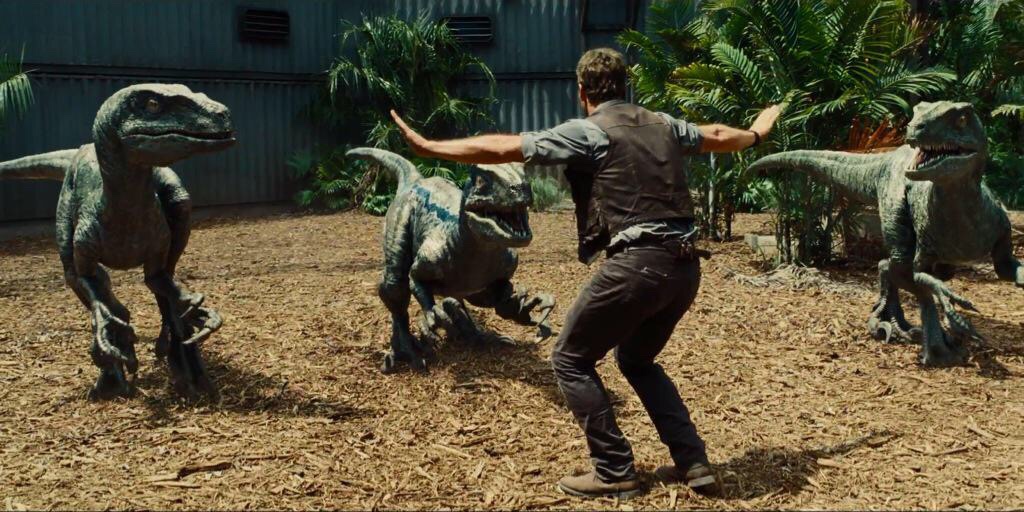
I am glad that more and more in the profession have started to ask some tough and awkward questions. I am happy that the things that have often been overlooked and avoided scrutiny and critique are now being dragged into the light kicking and screaming and being shown to be nothing more than placebos.
And if it takes a few feelings to be hurt, a few feathers ruffled and a few dinosaurs fossilised, or even the death of the profession as we know it, then so be it! I would rather burn down my own rotten house to the ground, and start afresh building a new more robust one.
More physios need to learn to accept that most, if not all of our shitty passive treatments and adjuncts such as massage, manipulations, electotherapy machines, tapes, needles, etc are most likely nothing more than placebo.
Summary
As I have said it before, if physiotherapy as a profession wants to be a valued part of modern evidence-based healthcare then we have to distance ourselves away from the low-value interventions, including placebos.
If we continue to defend these dubious and unreliable treatments then I fear our profession stands the very real risk of being cast to the fringes of healthcare and the world of 'alternative medicine' with all the other quacks and nut jobs with their energy crystals and chakras.
And I have no desire to be an 'alternative' health care provider.
As always, thanks for reading
Adam
Stay connected with new blogs and updates!
Join my mailing list to receive the latest blogs and updates.
Don't worry, your information will not be shared.
I hate SPAM, so I promise I will never sell your information to any third party trying to sell you laser guided acupuncture needles or some other BS.
